







Search Results for: espresso ratio
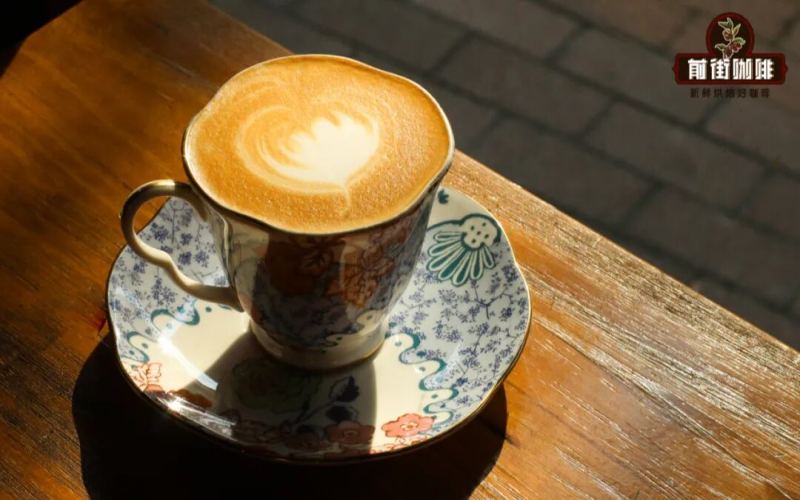
Espresso | What is the golden extraction ratio for espresso? Must the coffee-to-liquid ratio for making espresso be 1:2?
Front Street Coffee believes that after you've been working with espresso for a while, you'll certainly be familiar with the "1:2" brew ratio, because it's often hailed as the "golden ratio" for espresso and is the most commonly used ratio when extracting espresso. Brew ratio refers to the amount of coffee grounds used [more…]
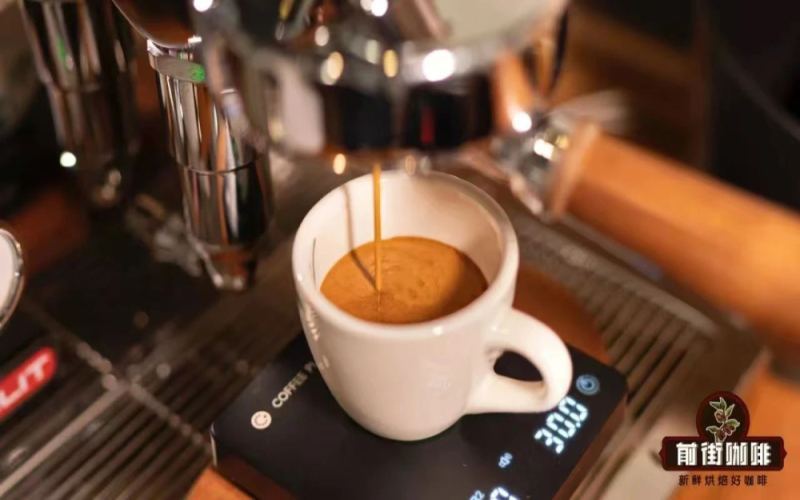
How Should You Choose the Coffee-to-Water Ratio for Lattes, Americanos, and Espressos? Front Street Coffee's House Blend Beans Put Three Ratios to the Test in a Flavor Comparison
The same coffee beans, the same grind size and dose, and merely adjusting the espresso brew ratio can make a latte, an americano, and an espresso take on completely different flavor directions. Taking Front Street Coffee's specialty blend of Colombian and Brazilian beans as an example, 20 grams of grounds were extracted at three ratios—1:1, 1:1.5, and 1:2—to taste the differences in mouthfeel among espresso, latte, and americano one by one. The actual test found that: a smaller-ratio espresso has a more pronounced acidity but noticeably sweeter when made into a milk coffee; a larger-ratio espresso easily develops over-extracted woody and smoky notes; 1:1.5 performs best in terms of layering and balance. The article also shares ideas for selecting espresso beans and the characteristics of Front Street's classic espresso blend. [more…]
Analysis of Latte Coffee Preparation Ratios and Taste Characteristics: Performance of Different Coffee-to-Water Ratios of Espresso in Milk-Based Coffee Drinks and Americanos
Under the same espresso bean, grind size, and dose, how do changes in the espresso brew ratio affect the flavor expression of lattes and Americanos? The baristas at Front Street Coffee used Front Street. Specialty Blend, composed of Colombian and Brazilian beans, as the sample, fixed the dose at 13 grams, and tested three brew ratios—1:1, 1:1.5, and 1:2—recording the flavor differences across three dimensions: espresso, latte, and Americano. The article also answers what coffee beans espresso should use, why an espresso blend is recommended rather than a light-roast single-origin bean, and how a blend can balance both flavor balance and consistency in the cup. [more…]
Exploring the Origins and Characteristics of Latte: How Different Espresso Ratios Affect the Flavor of Milk Coffee and Americano
Latte, Americano, and espresso share the same roots, yet they present entirely different flavor expressions due to different espresso extraction ratios. Front Street Coffee used the same specialty blend beans, the same grind size and dose, to test the specific effects of three brew ratios—1:1, 1:1.5, and 1:2—on espresso, latte, and Americano. The results showed that espresso at a 1:1 ratio was on the sour side but had a prominent sweetness after adding milk, 1:1.5 had the richest layering and a balanced latte, while 1:2 tended to over-extract and develop woody and smoky notes. The article also explained espresso's reliance on blend beans and recommended Front Street's classic espresso blend. [more…]
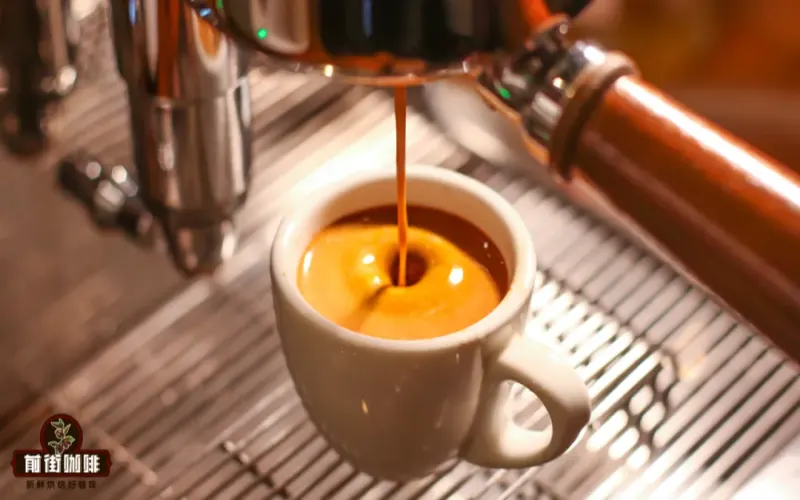
Why is the espresso brew ratio often set at 1:2? Must 18 grams of coffee yield 36 milliliters?
Many friends who are just getting into espresso have heard the saying: the brew ratio for espresso should be controlled at 1:2, for example, 18 grams of coffee grounds extracted into 36 milliliters of espresso. This ratio is often called the "golden ratio," but is it really the only standard? Actually, it is not. The brew ratio determines the strength of the coffee, and the strength in turn directly affects how the espresso performs when drunk on its own or paired with milk. This article centers on the relationship between brew ratio and actual extraction, explaining why 1:2 has become a commonly used reference value, and why ratios such as 1:1.5 and 1:2.5 are equally viable, helping coffee enthusiasts understand espresso extraction parameters more flexibly. [more…]
Interpreting Standard Espresso Extraction Parameters: A Detailed Guide to the Espresso-to-Milk Ratio in Latte
Although latte coffee is everywhere, actually making a delicious latte is not simple. Variables such as coffee bean flavor, milk quality, and extraction parameters all directly affect the final taste. This article will systematically sort out the extraction standards for espresso, analyzing the meaning and adjustment logic of extraction parameters one by one from six dimensions: dose, ratio, time, flow rate, pressure, and water temperature, while also exploring in depth the specific effects of factors such as coffee beans, grind size, and brew ratio on espresso flavor. On this basis, Front Street Coffee (FrontStreet Coffee) will also share the recommended matching ratio of espresso to milk in latte coffee, helping coffee lovers find a serving solution suitable for their own beans and milk. [more…]
How the Espresso Coffee-to-Water Ratio Affects the Flavor of Lattes and Americanos
For the same coffee beans, the same grind size, and the same dose, how does changing the espresso brew ratio affect the taste of a latte, an Americano, and the espresso itself? Front Street Coffee conducted a comparative test using a Colombian and Brazilian blend, fixing the dose at 20 grams and extracting at three ratios—1:1, 1:1.5, and 1:2—analyzing acidity, sweetness, aftertaste, and the risk of over-extraction, ultimately offering parameter recommendations for different taste preferences and recommending blend options suitable for making espresso. [more…]
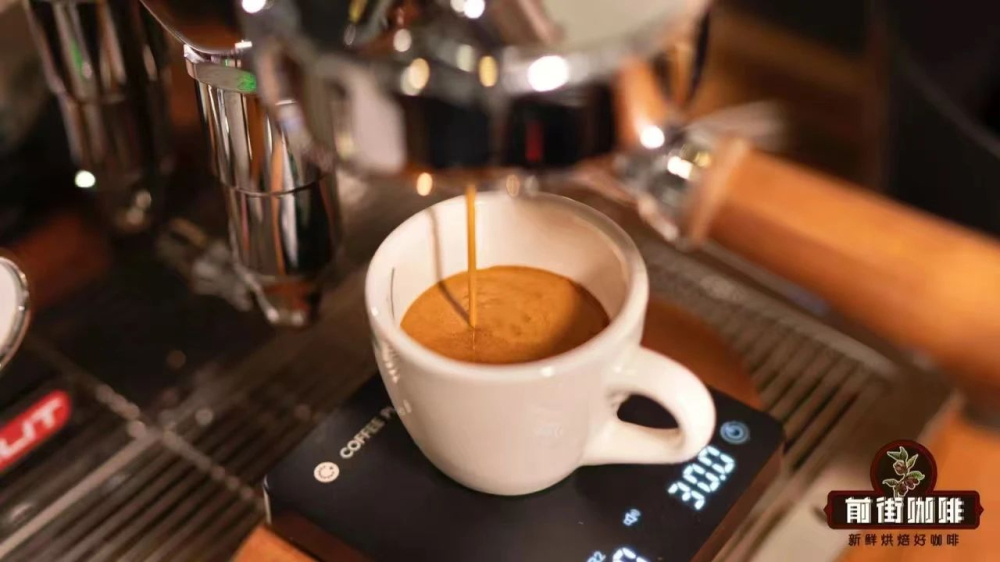
The Origin of Latte | What is the espresso extraction coffee-to-water ratio for the espresso base of a latte or americano? What coffee beans are used for espresso?
A few days ago, a coffee enthusiast asked Front Street Coffee (FrontStreet Coffee): if the same bean is used, with the same grind size and the same dose, when preparing milk coffee, Americano, and espresso, will there be different requirements for the espresso's brew ratio? So Front Street Coffee (F [more…]
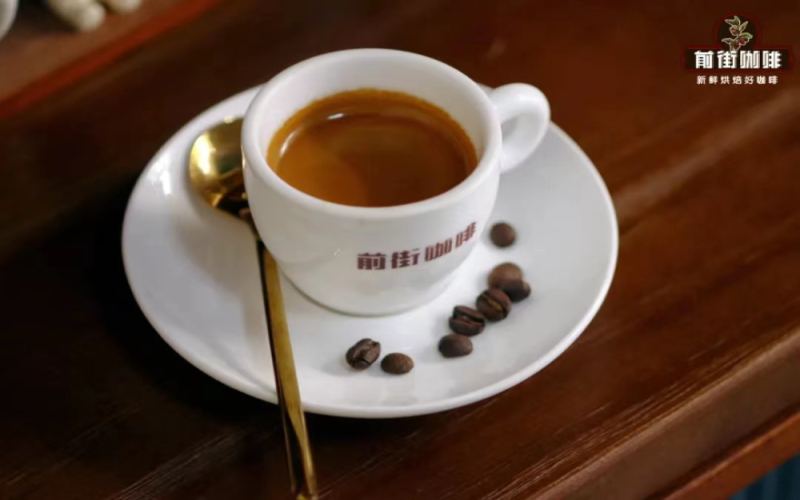
How to Determine the Espresso Coffee Grounds-to-Water Ratio? A Complete Analysis of Four Front Street Coffee Espresso Blends: Flavors and Brewing Methods
Want to make a decent espresso at home? The coffee-to-water ratio is one of the most critical parameters. This article draws on the hands-on experience of Front Street Coffee, first explaining why espresso mostly uses blend beans rather than single-origin beans, then explaining how the dose is limited by the basket capacity, why a 1:2 coffee-to-liquid ratio is regarded as the golden ratio, and how too much or too little coffee grounds affects flow rate and flavor. It then introduces, one by one, the four espresso blend beans currently offered by Front Street—Sunflower Warm Sun, Specialty Blend, Commercial Blend, and Dark Cocoa Blend—including their recipe proportions, flavor descriptions, and target drinkers. Finally, it supplements the ways to taste espresso, helping you understand why it emphasizes mouthfeel, aroma, and finish rather than distinguishing temperature changes like pour-over. [more…]
Latte Coffee Making Tutorial: A Practical Test of How Espresso Coffee-to-Water Ratio Affects the Flavor of Milk Coffee and Americano
The key to a delicious latte lies in the ratio of espresso to milk. Front Street Coffee tested espresso brews at three powder-to-water ratios—1:1, 1:1.5, and 1:2—using the same specialty blend beans, identical grind size, and dose, then prepared espresso, latte, and americano respectively to compare flavor differences. The experiment found that the 1:1 ratio espresso was somewhat sour but had prominent sweetness when milk was added, suitable for a mellow taste; 1:1.5 offered rich layers and a balanced milk-coffee flavor; while 1:2 easily produced over-extracted woody and smoky notes. At the end of the article, two Front Street Coffee beans suitable for making espresso are recommended for enthusiasts to consider purchasing. [more…]
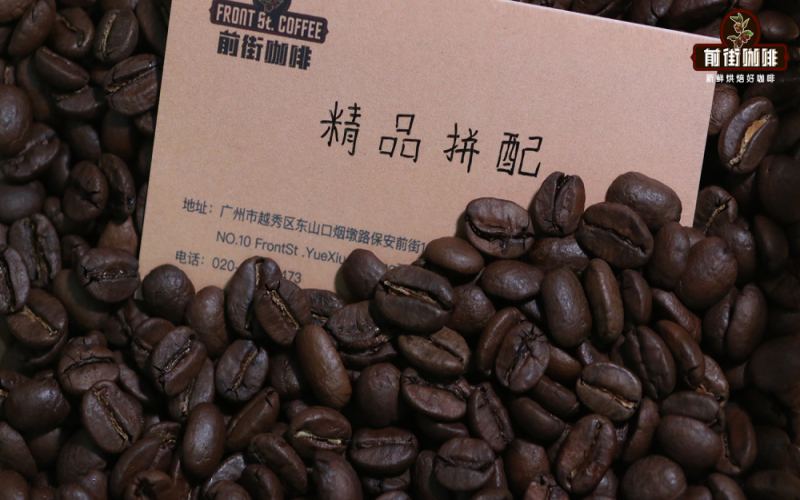
Double Espresso Extraction Ratio | How Much Coffee Grounds Are Needed to Make Espresso? What Is the Espresso Coffee-to-Water Ratio? Which Coffee Beans Are Suitable for Espresso Extraction?
For more specialty coffee knowledge, please follow: Front Street Coffee (Frontsteet Coffee). Espresso has been around for quite some time now; it is the pride of Italians and also a cultural asset that Italian coffee has brought to the world, feeling somewhat similar in nature to what Ethiopian varieties represent for [more…]
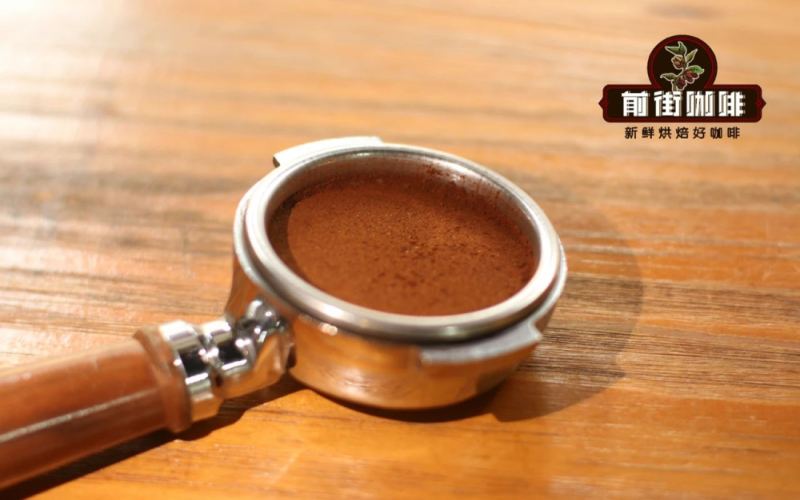
Espresso Ratio | What coffee beans should you use to make your own espresso? How much coffee powder and what extraction ratio and time are used for single and double espresso? Introduction to latte preparation
Espresso has been around for quite some time now. It is the pride of Italians and, at the same time, a cultural treasure that Italian coffee has brought to the world. In feel, it is somewhat similar to the contribution Ethiopian varieties have made to specialty coffee. Italian coffee spread from Italy to the rest of the world and became a status symbol. [more…]
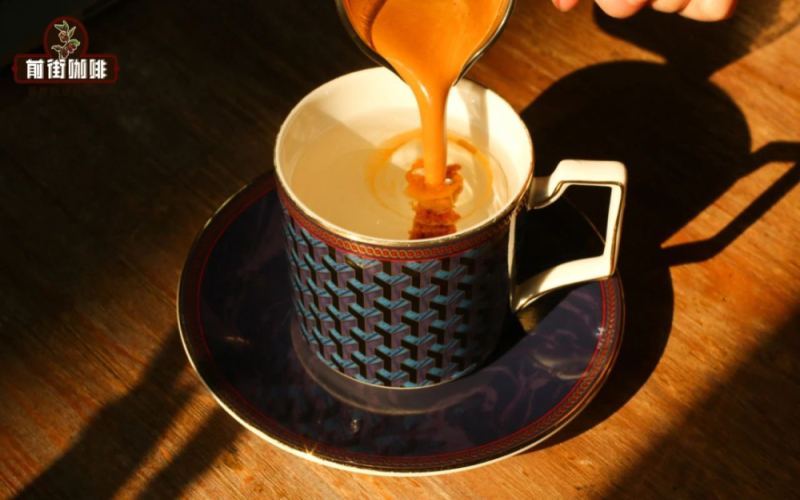
Specialty Coffee Shop Iced Americano Flavor Standard: A Guide to Water-to-Espresso Ratio, Espresso Extraction Parameters, and Blend Selection
To replicate a specialty coffee shop's iced americano at home, the key lies in understanding the essence of americano—espresso diluted with water. Starting from the Cambridge Dictionary definition, this article explains espresso extraction parameters, the golden water-to-espresso ratios for hot and iced americanos, and why blend beans are more suitable for making americano. Front Street Coffee uses 20g of grounds at a 1:2 ratio, 9 bar pressure, and a 25-30 second extraction yielding 40g of espresso as an initial reference; for iced americano, a 1:7 ratio is used, with 40g of espresso combined with 180g of ice and 100g of water. It also recommends Front Street Coffee's Strawberry Candy espresso beans, a blend of Costa Rican Tarrazú, Ethiopian, and Colombian beans, delivering a strawberry gummy-like sweet-tart flavor with dense crema. [more…]

Espresso and Fancy Coffee | How Can Coffee Newbies Make a Latte at Home? What Are the Latte Making Methods, Espresso Ratios, and Preparation Techniques? An Introduction to the Characteristics, Origin, and History of the Latte
A few days ago, a coffee enthusiast asked Front Street Coffee (FrontStreet Coffee): if the same bean is used, with the same grind size and the same dose, when producing milk coffee, Americano, and espresso, will there be different requirements for the espresso's brew ratio? So Front Street Coffee (F [more…]
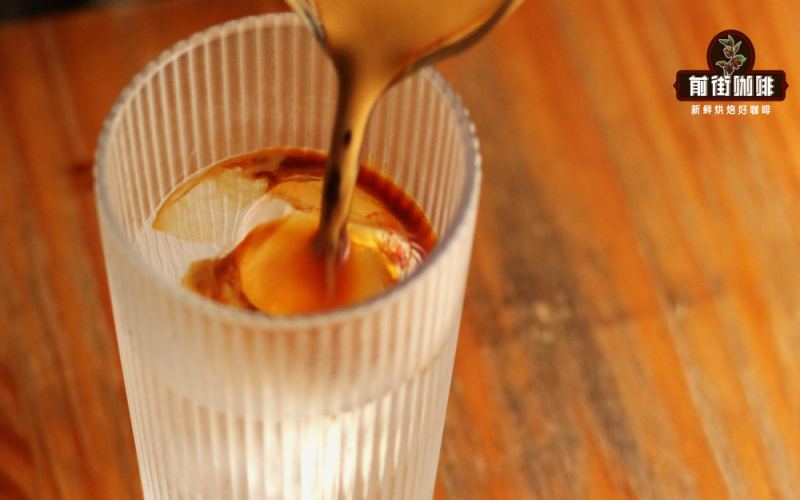
How to Make a Delicious Iced Americano: A Complete Guide from Espresso Ratios to Water-to-Ice Proportions
Americano is practically a standard offering at every coffee shop, but the flavor varies greatly from one shop to another. Some people find Americano too bitter, while others find it too weak—the key actually lies in the ratio of espresso to water. Front Street Coffee is often asked how to make iced Americano, so this time we're sharing the complete approach. The article first reviews the origins of Americano, then uses actual testing to compare the concentration and flavor performance at three dilution ratios—1:4.5, 1:6, and 1:8—to explain which ratio suits espresso beans of different roast levels. Next, it explains the difference between iced and hot Americano: melting ice will dilute the coffee, so you need to reduce the water amount and use large, hard ice cubes. Finally, it provides the specific brewing parameters for Front Street Coffee's Sunflower Warm Sun espresso blend, along with classic espresso blend recommendations suitable for Americano and latte. [more…]
How to Brew Delicious Americano? A Full Guide to Espresso-to-Water Ratios and Italian-Style Coffee Making
When ordering at a café, Americano is often the cup that solves your decision paralysis—yet plenty of coffee newcomers are put off by the bitterness at first sip. In fact, whether an Americano tastes good depends heavily on which beans are used for the espresso, the espresso machine's extraction parameters, and the ratio of water to coffee. Drawing on the production experience of Front Street Coffee, this article clarifies the relationship between Americano and espresso, how to choose espresso beans suitable for Americanos, extraction parameters for single and double shots, how to determine the water-to-coffee ratio, and the methods and taste differences between hot and iced Americanos. At the end, there's also a little bonus on Americano latte art and practical tips, so you can make a smooth, easy-drinking Americano at home or in a café. [more…]
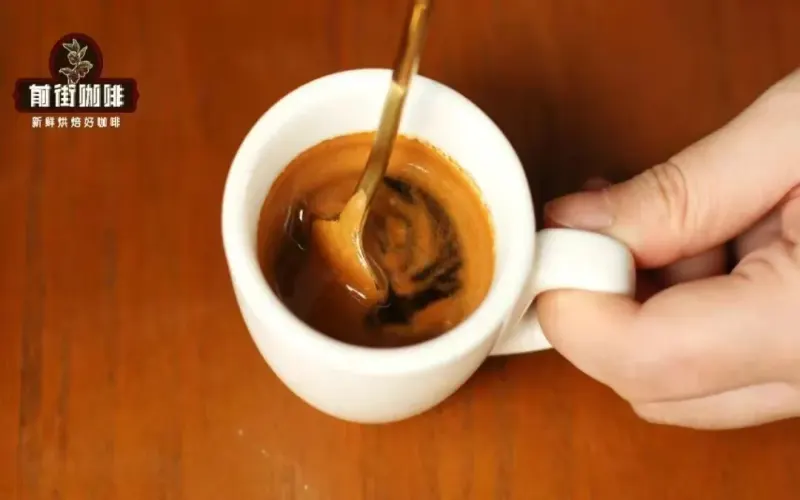
Espresso Extraction Parameters | Why Is the Espresso Brew Ratio 1:2? How Do You Adjust Extraction Time, Coffee-to-Water Ratio, and Water Temperature for Espresso?
Friends often tell Front Street Coffee that they've just bought a new coffee machine but don't know how to dial in a standard espresso. They don't know how much coffee grounds to use, how much liquid weight to extract, or how long it should take. And even if they follow popular extraction formulas like "use 18g of grounds to extract 36ml of coffee liquid," what they end up with [more…]
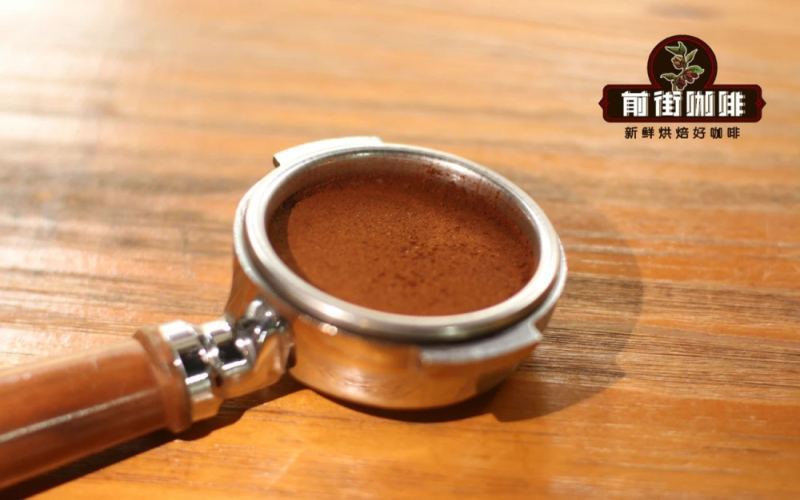
A Detailed Guide to Espresso Ratios: Single vs. Double Parameters, Extraction Steps, and Front Street Coffee Italian Bean Recommendations
Espresso is the foundation of the Italian coffee system, and its extraction ratio directly determines the quality of a cup of coffee. This article provides a detailed explanation of the dose, extraction time, liquid weight, and brew ratio for single and double espressos, while also introducing how to use the fill line of the filter basket and how to adjust the grind size. For different flavor needs, the article also outlines the recipes and flavor characteristics of several coffee beans, including Front Street Classic Espresso Blend, Strawberry Candy, Specialty Blend, Commercial Blend, and Dark Cocoa Blend. Using latte as an example, it explains the ratio of espresso to milk, milk frothing, and the key steps of integration and latte art, making it suitable for coffee enthusiasts who want to systematically understand the preparation parameters of espresso. [more…]
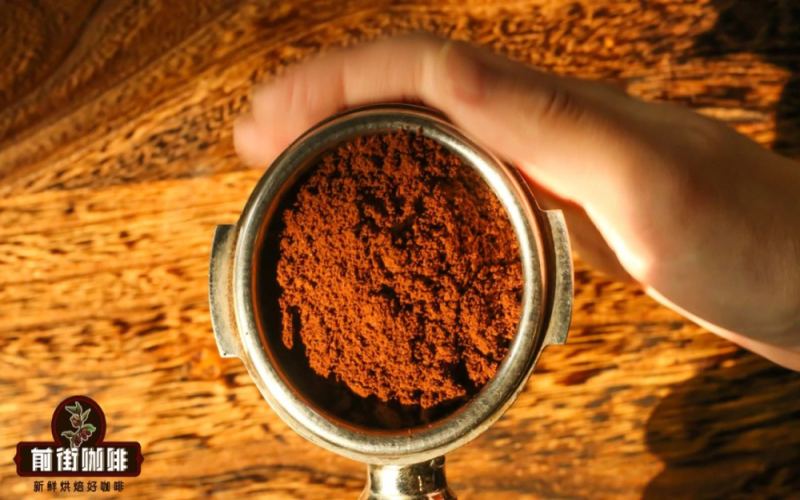
Espresso Coffee Powder-to-Water Ratio | How Many Milliliters Is 1 Shot of Espresso? What Is the Correct Way to Drink Espresso? Introduction to Espresso Extraction Recipes
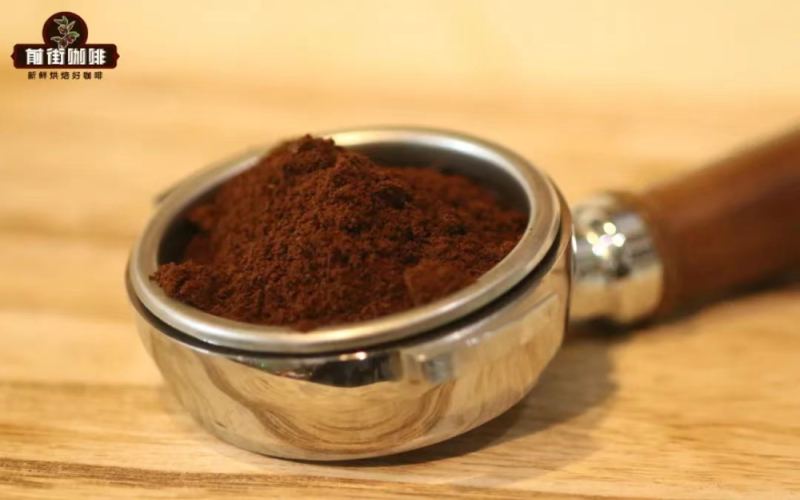
The standard espresso ratio is 1:2—a single shot uses 9g of grounds to yield 18g of liquid, and a double shot uses 18g of grounds to yield 36g of liquid. When actually pulling a shot, fine-tune based on this brew ratio and the taste. The grind size for espresso is also adjusted by referencing this extraction time: if it runs fast, grind finer; if it runs slow, grind coarser, until the extraction time matches. [more…]
Espresso Brewing Parameters Explained: Dose, Time, Grind Size, and Ratio, with Budget Bean Recommendations for Office and Home
Espresso is the foundation of the Italian coffee system; whether it's a cappuccino, a latte, or a mocha, none can do without a properly extracted espresso base. This article provides a detailed breakdown of the dose, extraction time, liquid yield, and brew ratio parameters for single and double espressos, and explains how to adjust the grind size and use the basket's reference line. At the same time, for office and home scenarios, it introduces four espresso blend coffee beans with different positioning, covering classic blends, specialty blends, commercial blends, and dark cocoa blends, and offers recommendations for the espresso-to-milk ratio and blending in latte coffee, helping coffee enthusiasts find the everyday beans and brewing method that suit them. [more…]